




ABDUL QADIR ENTERPRIDE
Welcome to PTEA B2b Exchange Gateway!
Premium Subscription

About ABDUL QADIR ENTERPRIDE
Read more
Company Name: ABDUL QADIR ENTERPRIDE
Abdul Qadir Enterprise is a prominent name in the textile industry, specializing in the manufacturing and export of high-quality textile products. The company offers a wide range of textiles, including garments and fabrics, catering to both domestic and international markets. With a strong commitment to quality and customer satisfaction, Abdul Qadir Enterprise has established itself as a reliable partner in the textile sector.
Product Line
view more
-
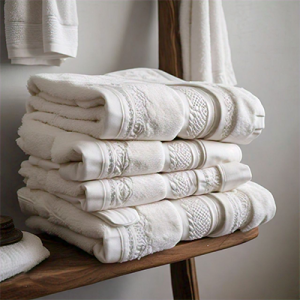
Home Towel
XTitle: Home Towel
Description: Hand Towels: Size: Smaller towels used primarily for drying hands in bathrooms, kitchens, or guest areas. Function: They are convenient for quick drying tasks and are often placed near sinks for easy access after washing hands. Kitchen Towels: Types: Includes dish towels, tea towels, and utility towels. Size: These towels are smaller than bath towels but larger than typical hand towels. Function: Used for drying dishes, wiping countertops, handling hot cookware, and general kitchen cleanup tasks. Cleaning Cloths: Size: Small, often square or rectangular cloths used for various cleaning tasks around the home. Material: Made from absorbent materials like microfiber or cotton for effective cleaning and wiping. Guest Towels: Size: Smaller towels typically used in guest bathrooms or powder rooms for drying hands. Design: Often decorative and may feature embroidery, lace, or other embellishments to enhance the guest bathroom decor. Travel Towels: Size: Compact towels designed for travel, camping, or gym use. Material: Lightweight and quick-drying materials such as microfiber, ideal for portability and convenience during travel. Send us your inquiry
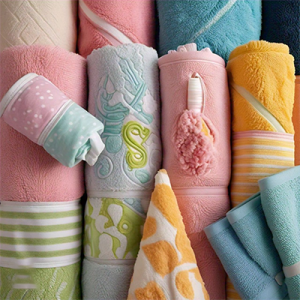
Assorted Terry Towels
XTitle: Assorted Terry Towels
Description: Hand Towels: These are smaller terry towels typically used for drying hands in bathrooms or kitchens. They are convenient for quick drying tasks and are often placed near sinks for easy access. Washcloths: These are the smallest type of terry towels, used for facial cleansing or small cleaning tasks. They are compact and handy, often stored in bathrooms for personal hygiene. Gym Towels: Sometimes referred to as small terry towels, these are compact towels used in fitness centers for wiping sweat during workouts. They are smaller than standard bath towels for easy portability. Kitchen Towels: While not always terry cloth, small kitchen towels used for drying dishes or hands can also be made from terry cloth material for enhanced absorbency. These small terry towels are valued for their absorbency, softness, and versatility in various everyday tasks. They come in various colors and designs to match different preferences and interior styles. Send us your inquiry
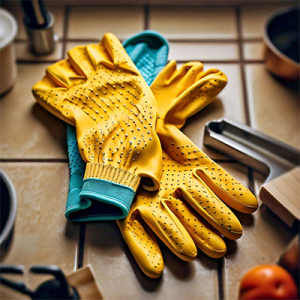
Gloves
XTitle: Gloves
Description: Gloves are hand-covering garments worn for protection and warmth. They come in various materials such as leather, knit, or wool, and serve different purposes including winter warmth, work, driving, and sports. Gloves are essential accessories that provide comfort and functionality while complementing various outfits and activities. Send us your inquiry
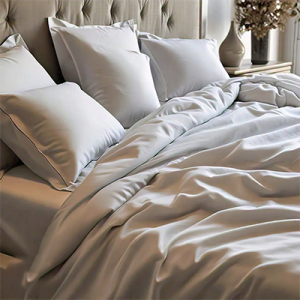
Bed sheets
XTitle: Bed sheets
Description: Bed sheets are essential bedding components that cover mattresses for comfort and protection. They come in various types such as fitted and flat sheets, made from materials like cotton, linen, microfiber, silk, or satin. Bed sheets are available in different sizes to fit beds ranging from twin to king sizes. They contribute to a comfortable and stylish bedroom environment while enhancing sleep quality. Send us your inquiry
Technologies Line view more-
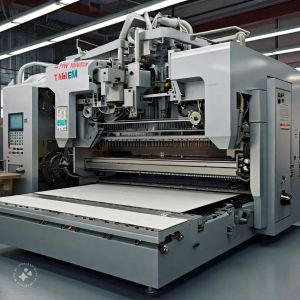
Automatic Cutting Machine
XTitle: Automatic Cutting Machine
Description: Machines used for precise cutting of fabric into various shapes and sizes. They improve cutting efficiency and accuracy, reducing fabric waste. Send us your inquiry
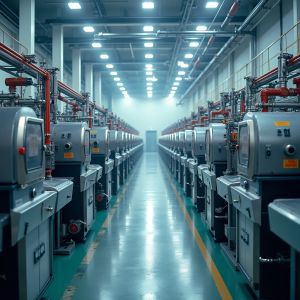
Dyeing Setup-Continuous Dyeing
XTitle: Dyeing Setup-Continuous Dyeing
Description: Continuous dyeing is a method used in textile industries to dye fabrics in a continuous process, rather than batch-wise. Here’s a description of its setup and operation: Setup: Fabric Feeding: The process begins with continuous feeding of fabric into the dyeing machine from a roll or creel. Preparation: Fabrics may undergo preparation steps such as desizing, scouring, and bleaching to remove impurities and enhance dye absorption. Dye Liquor Preparation: Dyes are prepared in a solution suitable for continuous application, often with additives to control pH, leveling agents, and other chemicals to enhance dye uptake and uniformity. Operation: Dye Application: Fabrics are passed through a series of dyeing tanks or chambers where they are immersed in the dye liquor. Various methods can be employed for dye application: Pad Dyeing: Fabrics are padded through dye baths, where they absorb dye before passing through squeezing rollers to control the dye uptake. Spray Dyeing: Dye liquor is sprayed onto the fabric as it moves through the dyeing machine. Foam Dyeing: Dye is applied in the form of foam to enhance dye penetration and reduce water consumption. Steaming or Fixation: After dye application, fabrics may undergo steaming or heat setting to fix the dye permanently. Washing and Finishing: Finally, fabrics are washed to remove excess dye and chemicals, followed by finishing processes such as drying, calendaring, and inspection. Advantages: Efficiency: Continuous dyeing allows for high-speed production with minimal downtime between batches. Consistency: Ensures uniform dye penetration and color matching across large fabric batches. Economical: Reduces water and chemical consumption compared to batch dyeing methods. Versatility: Suitable for a wide range of fabrics including cotton, polyester, blends, and technical textiles. Applications: Continuous dyeing is widely used in industries producing apparel fabrics, home textiles, automotive textiles, and technical textiles where consistent color and fast production are essential. Overall, continuous dyeing setups are designed to optimize efficiency and quality in textile dyeing processes, meeting the demands of modern manufacturing for fast, consistent, and economically viable production of dyed fabrics. Send us your inquiry

Smart Textiles
XTitle: Smart Textiles
Description: Integration of technology in textiles for features like temperature regulation and health monitoring, enhancing functionality of knitwear. Send us your inquiry
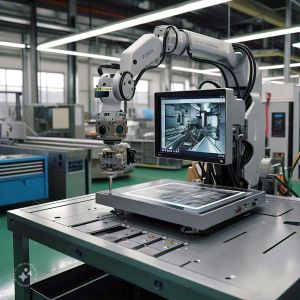
Automated Inspection Systems
XTitle: Automated Inspection Systems
Description: Automated Inspection Systems are advanced technologies used in manufacturing and production processes to ensure quality control and detect defects. These systems utilize machine vision, sensors, and artificial intelligence to automatically inspect products and components in real-time, providing accurate and consistent quality assurance. Automated Inspection Systems enhance production efficiency, reduce human error, and improve overall product quality by identifying and addressing defects early in the manufacturing process. They are widely used in various industries, including automotive, electronics, pharmaceuticals, and food processing, to maintain high standards of quality and reliability. Send us your inquiry
Member Certification view more-
PTEA
Contact InformationName: Mr. Abdul Qadir
Address: P-9/9, Nasrullah Town, West Canal Road, Faisalabad
Website: https://www.abdulqadirenterprise.com
Profile URL: https://ptea.petrolsolutions.com/abdul qadir enterpride

About Me