



Welcome to PTEA B2B Exchange Gateway!
Premium Subscription

About SILVER FOX TEXTILES(PRIVATE) LIMITED
Read more
Company Name: SILVER FOX TEXTILES(PRIVATE) LIMITED
our company has become a breath of fresh air and a driving force for the industry with both its innovative perspective and quality policies. Since the first day of our establishment, we interfuse all of our excitement into the fabrics and reflect the spirit of this excitement within our products which we offer as ready-made . First of all, I would like to thank all of my friends who we have worked together and shared the same excitement since the establishment of the company. Indeed, we have our teammates to thank who have been working with the same excitement, for the spectacular feedback we have received after our first export to abroad. Today, we export world wide. We are one of the leading companies in pakistan. The brands we work with are the companies that always have high quality expectations and have a significant share in the sector.Having the highest level of customers at all times, allows us, as Version, to add more strength in our quality and innovative perspective. That’s why we do not just meet the expectations of our customers, but we are also pleased to offer solutions that can satisfy their needs. The greatest supporters of our company up to this point have been our employees and our partners who we have proceeded and worked with. We embrace Asia as the doors for our products to spread all over the world and invest in these markets taking firm steps As the Founder and CEO of Silverfox Textile, I see our success target as quality at all times and also innovative perspective. I would like to express my thanks to everyone who kept sharing this passion with us towards the future.
Product Line
view more
-

High-visibility vests
XTitle: High-visibility vests
Description: High-visibility vests are safety garments designed to enhance visibility in low-light or high-risk environments. They are often fluorescent in color with reflective strips, making wearers more visible to others, especially in construction, roadwork, and industrial settings. High-visibility vests are essential for ensuring worker safety and are worn over regular clothing to improve visibility and reduce accident risks.
Send us your inquiry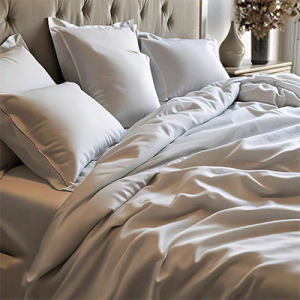
Bed sheets
XTitle: Bed sheets
Description: Bed sheets are essential bedding components that cover mattresses for comfort and protection. They come in various types such as fitted and flat sheets, made from materials like cotton, linen, microfiber, silk, or satin. Bed sheets are available in different sizes to fit beds ranging from twin to king sizes. They contribute to a comfortable and stylish bedroom environment while enhancing sleep quality.
Send us your inquiry
Uniforms
XTitle: Uniforms
Description: Uniforms are standardized clothing worn by groups or organizations for identification and cohesion. They serve various purposes, such as distinguishing employees, students, or military personnel. Uniforms are designed to be practical, often featuring specific colors, logos, and styles that reflect the organization\'s identity and professionalism.
Send us your inquiry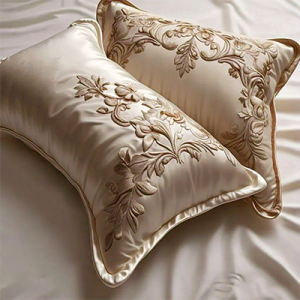
Pillow cases
XTitle: Pillow cases
Description: Pillowcases are protective coverings for pillows, typically made from materials like cotton, silk, satin, or linen. They come in various sizes and designs, including decorative and embroidered options. Pillowcases help keep pillows clean, enhance bedroom decor, and provide a comfortable surface for sleeping.
Send us your inquiryTechnologies Line view more-
Digital Printing
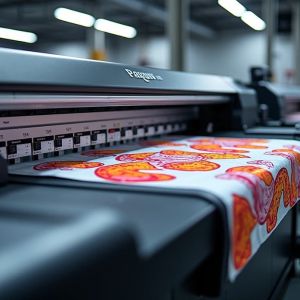
XTitle: Digital Printing
Description: Machines used for high-quality, detailed prints on fabrics. They allow for customization and are suitable for small to medium production runs. Send us your inquiry
Sustainable and Eco-Friendly Materials
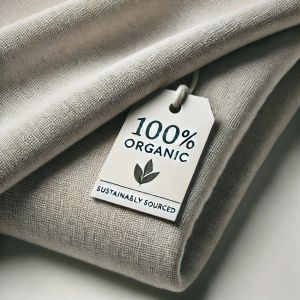
XTitle: Sustainable and Eco-Friendly Materials
Description: Use of eco-friendly materials like organic cotton, bamboo, and recycled fibers, reducing environmental impact and appealing to eco-conscious consumers. Send us your inquiry

Dyeing Setup-Continuous Dyeing
XTitle: Dyeing Setup-Continuous Dyeing
Description: Continuous dyeing is a method used in textile industries to dye fabrics in a continuous process, rather than batch-wise. Here’s a description of its setup and operation: Setup: Fabric Feeding: The process begins with continuous feeding of fabric into the dyeing machine from a roll or creel. Preparation: Fabrics may undergo preparation steps such as desizing, scouring, and bleaching to remove impurities and enhance dye absorption. Dye Liquor Preparation: Dyes are prepared in a solution suitable for continuous application, often with additives to control pH, leveling agents, and other chemicals to enhance dye uptake and uniformity. Operation: Dye Application: Fabrics are passed through a series of dyeing tanks or chambers where they are immersed in the dye liquor. Various methods can be employed for dye application: Pad Dyeing: Fabrics are padded through dye baths, where they absorb dye before passing through squeezing rollers to control the dye uptake. Spray Dyeing: Dye liquor is sprayed onto the fabric as it moves through the dyeing machine. Foam Dyeing: Dye is applied in the form of foam to enhance dye penetration and reduce water consumption. Steaming or Fixation: After dye application, fabrics may undergo steaming or heat setting to fix the dye permanently. Washing and Finishing: Finally, fabrics are washed to remove excess dye and chemicals, followed by finishing processes such as drying, calendaring, and inspection. Advantages: Efficiency: Continuous dyeing allows for high-speed production with minimal downtime between batches. Consistency: Ensures uniform dye penetration and color matching across large fabric batches. Economical: Reduces water and chemical consumption compared to batch dyeing methods. Versatility: Suitable for a wide range of fabrics including cotton, polyester, blends, and technical textiles. Applications: Continuous dyeing is widely used in industries producing apparel fabrics, home textiles, automotive textiles, and technical textiles where consistent color and fast production are essential. Overall, continuous dyeing setups are designed to optimize efficiency and quality in textile dyeing processes, meeting the demands of modern manufacturing for fast, consistent, and economically viable production of dyed fabrics. Send us your inquiry
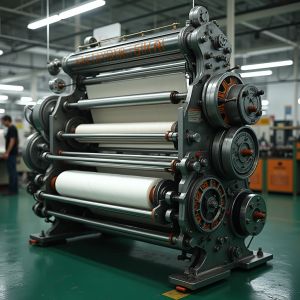
Warping Machine
XTitle: Warping Machine
Description: A warping machine is an essential piece of equipment in the textile industry used primarily in the preparation of warp yarns for weaving. Here’s a detailed description of its setup and operation: Purpose: Warp Preparation: The primary function of a warping machine is to create a warp beam, which holds parallel yarns (warp yarns) under tension in preparation for weaving. Setup and Components: Creel: Yarn cones or packages are mounted on a creel, which holds multiple yarn ends (typically one end per warp yarn) and allows them to unwind freely. Tensioning Device: Yarns pass through tensioning devices to maintain consistent tension as they are wound onto the warp beam. Warping Drum or Sectional Warping System: The core component where yarns are wound onto the warp beam. Warping Drum: Used in direct warping, where yarns are wound directly onto the beam in a continuous process. Sectional Warping System: Used in sectional warping, where yarns are wound onto several smaller beams (sections) which are later combined to form the full warp beam. Yarn Guide: Guides or eyelets ensure proper alignment and tension of yarns as they move from the creel to the warping drum. Warp Stop Motion: Detects yarn breaks and stops the machine to prevent issues during the warping process. Control Panel: Allows operators to set parameters such as warp length, yarn tension, and speed. Operation: Loading: Yarn ends are threaded from the creel through tensioning devices and yarn guides to the warping drum. Warping Process: As the drum rotates, yarns are wound onto the warp beam under controlled tension. The speed and tension are adjusted to ensure uniform winding and proper alignment of yarns. Inspection: Operators monitor the process for any yarn breaks or irregularities, using the warp stop motion to halt the machine if necessary. Beam Build-Up: Depending on the type of warping (direct or sectional), the full warp beam is built up with yarn layers wound in a precise pattern. Beam Removal: Once the desired length of warp yarn is wound, the warp beam is removed from the machine for further processing or directly transferred to a weaving machine. Types: Direct Warping Machine: Yarns are wound directly onto the warp beam in a continuous process. Sectional Warping Machine: Yarns are wound onto smaller beams (sections) which are later combined to form the full warp beam. Warping machines play a crucial role in ensuring the efficiency and quality of the weaving process by preparing warp yarns in a controlled and systematic manner. They are essential in both small-scale and large-scale textile production for various types of fabrics. Send us your inquiry
HS Codes view more

About Me